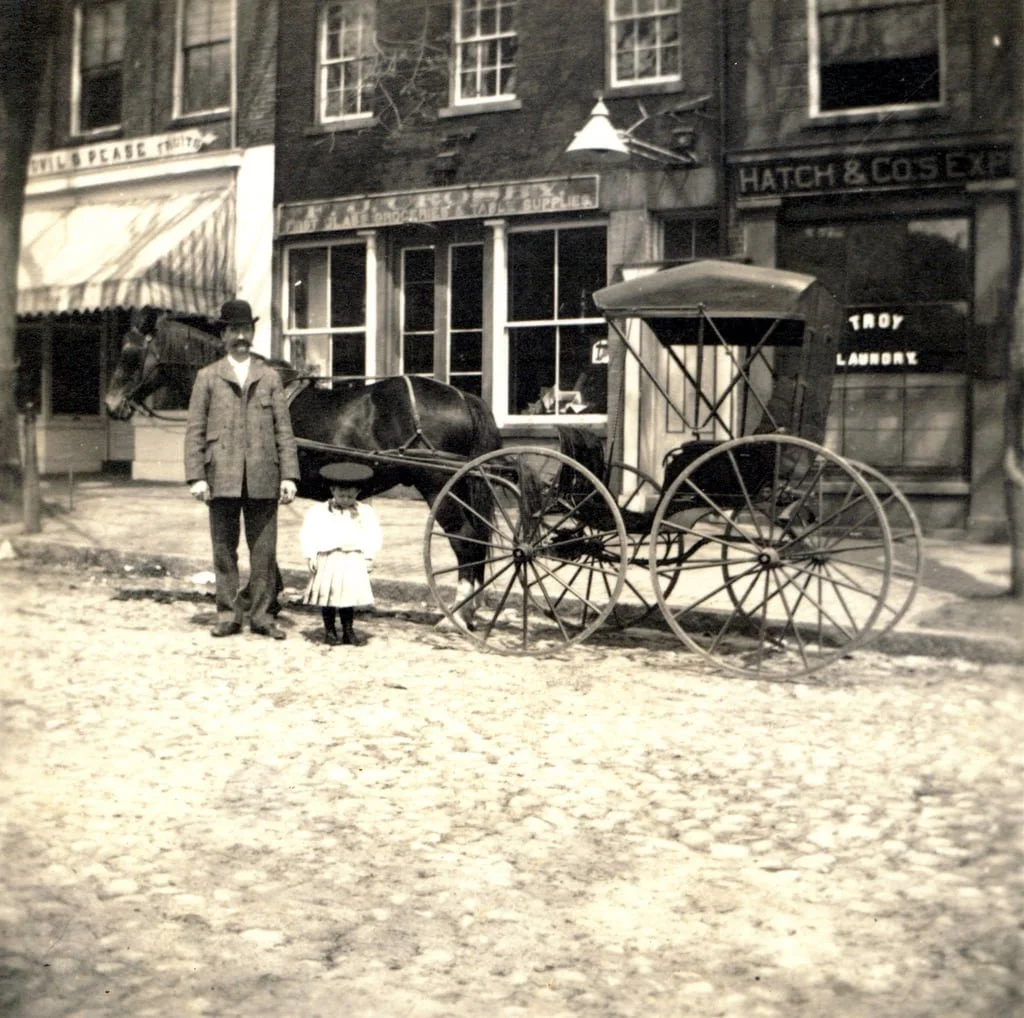
Long before Nantucket became the whaling capital of the world, it was a place of quiet beauty, rich natural resources, and a deeply rooted Native American presence. The island’s pre-whaling history is often overshadowed by its seafaring fame, but the centuries that came before the rise of the whale oil industry reveal a fascinating story of land, people, and change.
The earliest known inhabitants of Nantucket Island were the Wampanoag, an Algonquian-speaking people whose name means “People of the First Light.” Archaeological evidence suggests they lived on the island for thousands of years before European contact.
The Wampanoag thrived on Nantucket’s natural resources. They fished the surrounding waters, hunted game, and harvested shellfish along the shore. They cultivated crops like corn, beans, and squash in the island’s sandy soil. Seasonal camps were common, with settlements often shifting based on food sources and weather patterns.
By the 1600s, several hundred Wampanoag lived on Nantucket, with a distinct culture and spiritual relationship to the land and sea. Their oral histories, craftsmanship, and early governance systems laid the foundation for a way of life that would endure, despite the changes to come.
In 1602, English explorer Bartholomew Gosnold sailed past Nantucket, noting it but not stopping. It wasn’t until the mid-17th century that European settlers began to show serious interest in the island.
In 1659, a group of investors from Massachusetts—known as the “Proprietors”—purchased the island from Thomas Mayhew, who held a grant to Martha’s Vineyard and Nantucket. The land deal included an agreement with the Wampanoag sachems (chiefs), ensuring certain rights for the Native people. However, as with many colonial agreements, these rights eroded over time.
The early settlers were largely Quakers, seeking religious freedom and isolation. Their values of simplicity, community, and pacifism would go on to shape much of Nantucket’s cultural identity. The first English families focused on subsistence farming, sheep grazing, and salt harvesting. Life was rugged and isolated—especially during the harsh winters—but they endured.
Before the whaling era, Nantucket’s economy was modest. Residents raised sheep and produced wool that was spun and woven into textiles. The island’s salt marshes were harvested for hay and salt, and early attempts were made at fishing and small-scale trade with the mainland.
Due to its remote location and limited farmland, the community became highly self-sufficient. Families relied on one another and bartered for goods. Travel to and from the island was difficult, and storms often left Nantucket cut off for weeks at a time.
This isolation fostered a strong sense of identity and interdependence that would later serve the island well when its whaling fleet began to sail around the world.
By the late 1600s and early 1700s, the Society of Friends (Quakers) became the dominant religious and social group on Nantucket. Their influence permeated all aspects of daily life: plain clothing, simple architecture, egalitarian beliefs, and a strong work ethic.
Quaker schools educated both boys and girls, and women held significant roles in family and community life—an unusual dynamic for the time. This progressive spirit would later be reflected in the island’s early involvement in abolition and women’s rights movements.
While Nantucket’s shores remained quiet through the early 1700s, its location made it a strategic launching point for future maritime industries. Islanders began experimenting with offshore cod fishing and whaling, first in small boats close to shore.
As whale oil became a valuable commodity, Nantucketers—already skilled in self-reliance and seafaring—were uniquely positioned to capitalize on this emerging industry. By the mid-18th century, Nantucket’s quiet colonial past gave way to an era of international trade, shipbuilding, and fortune-making.
Today, when you walk the cobblestone streets or gaze across the moors, it’s easy to imagine the world before the sails and harpoons. The island’s landscapes, preserved trails, and Wampanoag heritage sites are living reminders of the rich history that predates Nantucket’s whaling fame.